Where to Stay in Busan: An Honest Guide by Neighbourhood
Where to Stay in Busan: An Honest Guide by Neighbourhood
Most people who visit Busan for the first time stay in Haeundae. This is understandable — it's the famous beach, the name you recognise, the neighbourhood that shows up in every listicle. It's also, depending on what you're actually after, possibly the wrong choice.
Busan is South Korea's second city, built across hills that tumble into the sea, and its neighbourhoods feel genuinely different from each other — different energy, different reasons to be there, different versions of the city entirely. Getting the neighbourhood decision right is probably the most useful thing you can do before you book anything else.
Haeundae for beach + luxury. Gwangalli for local feel + food. Seomyeon for transit and convenience. Nampo-dong for old Busan and Jagalchi Fish Market. All four are covered in full below.
🏖 Haeundae: The Beach, and All That Comes With It
Haeundae is spectacular and you should visit it. Whether you should stay there is a different question.
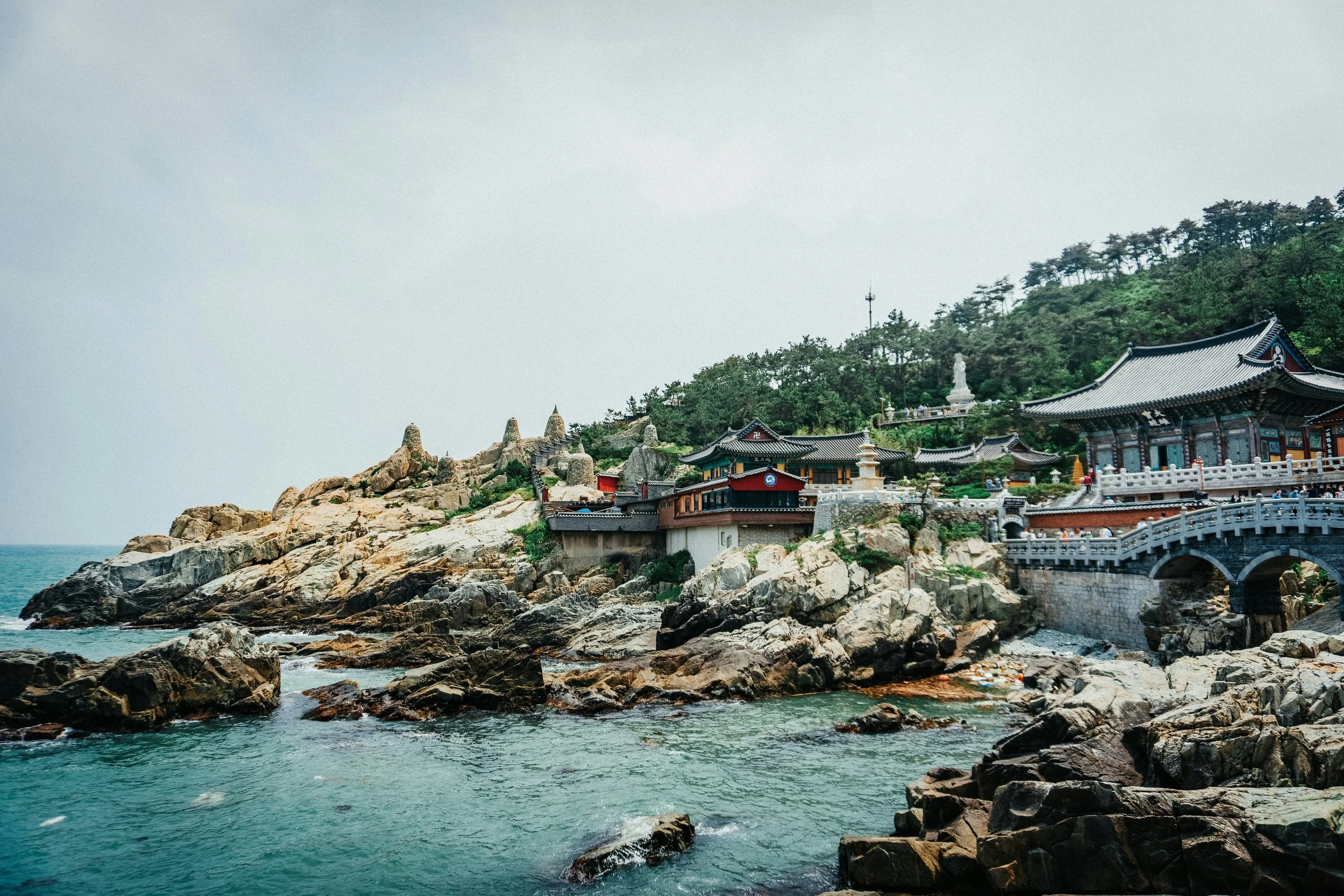
The beach is one of the great urban beaches in Asia — wide, long, backed by a wall of towers, and genuinely swimmable in summer. In July and August it hosts around a million visitors a month. The sand disappears under beach umbrellas, restaurants overprice everything, and the streets feel like a theme park version of Korea.
In shoulder season — May, June, September, October — Haeundae becomes something else entirely. The beach empties, prices drop, and the scale of the place starts to feel like an asset rather than a problem.
Haeundae in shoulder season — a very different place from peak July
Where to stay in Haeundae
🌉 Gwangalli: The One Locals Actually Prefer
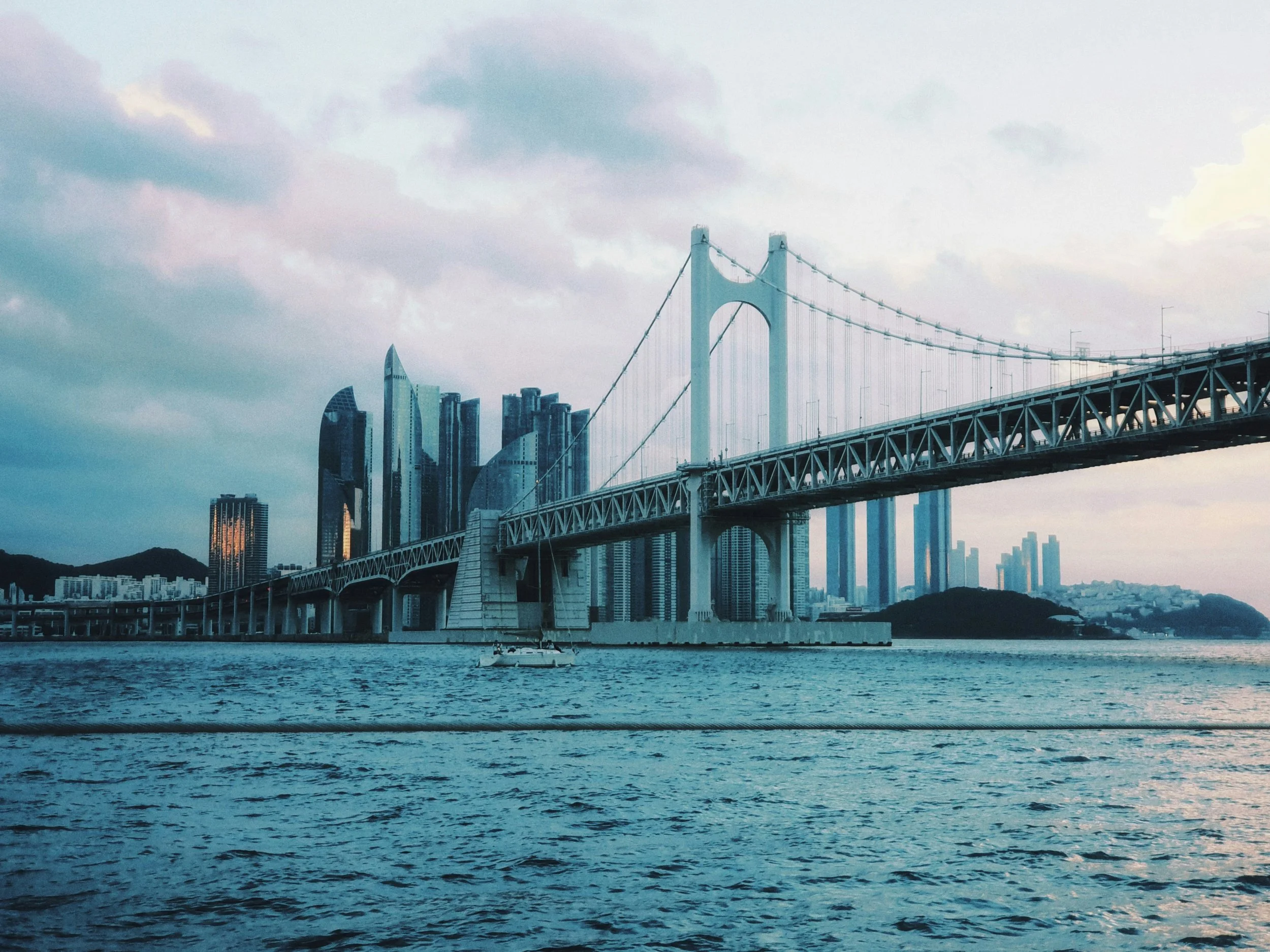
About 15 minutes west of Haeundae by subway, Gwangalli doesn't have the scale — but it has the Gwangan Bridge sitting in the water directly in front of you, lit up at night in a way that makes every meal eaten facing it feel like an occasion.
Gwangalli Beach is smaller and calmer. The bars and restaurants along the beachfront road are oriented toward Korean twenty- and thirty-somethings rather than tour groups. The food is better and cheaper. On a clear evening, cold Hite in hand, it's one of the more quietly satisfying places to be in any Korean city.
The Gwangan Bridge at night — every restaurant on this strip has a view of it
Where to stay in Gwangalli
🏙 Seomyeon: The City Centre That Actually Works Like One
Seomyeon is Busan's commercial heart. Two subway lines cross here — you can reach Haeundae in 20 minutes, Nampo-dong in 15, and the KTX station in 10. There's no beach, and no reason you need one if your plan involves moving around the city a lot.
What Seomyeon has is density: restaurants, department stores, a great underground street food market, and late-night everything. It's the neighbourhood that reminds you this is a real city of 3.4 million people and not just a collection of tourist attractions.
Korean business hotels are consistently better-maintained than their equivalent elsewhere. Don't be put off by the label — you'll often get more space and cleaner rooms than a similarly priced "boutique" option.
Seomyeon — Busan's most connected neighbourhood, and a genuinely good place to eat
Where to stay in Seomyeon
🐟 Nampo-dong & the Old Port: Where the City Started
Nampo-dong is the oldest commercial district in Busan — built around the port when Busan was primarily a fishing city, and still the place where you feel most directly connected to what the city has actually been. Jagalchi Fish Market is here, the largest seafood market in Korea. BIFF Square runs through the middle of it. Gukje Market — started as a refugee market during the Korean War — is five minutes' walk.
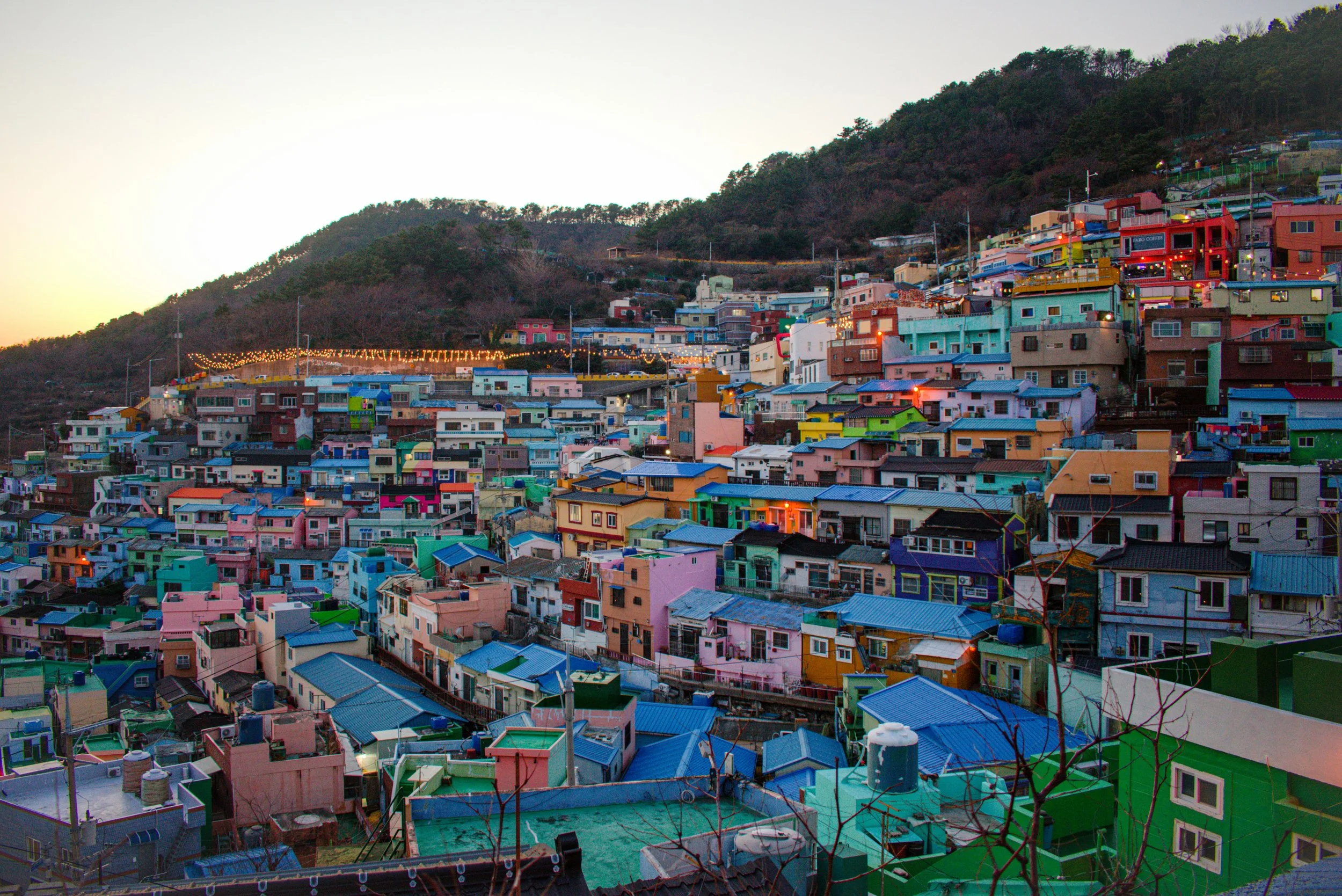
It's noisier, more chaotic, and less immediately comfortable than the other areas on this list. It's also more interesting. Nearby Gamcheon Culture Village — the hillside neighbourhood of brightly coloured houses — is best at 8:30am before the tour groups arrive, and it's easily walkable from here.
Gamcheon Culture Village — 20 minutes uphill from Nampo-dong, magical before 9am
Where to stay in Nampo-dong
The Quick Decision Table
| You want… | Stay in… | Best hotel |
|---|---|---|
| Beach + luxury views | Haeundae | Signiel Busan |
| Beach + value, avoid peak crowds | Haeundae | Novotel Ambassador |
| Local feel + great food + the bridge | Gwangalli | Arton Busan |
| Practical base, easy transit | Seomyeon | Lotte Hotel Busan |
| Old Busan, fish markets, real grit | Nampo-dong | Commodore Hotel |
Getting Around Busan
The subway covers most of what you need. The exception is Gamcheon Culture Village, which requires a bus or taxi. Kakao T (the Korean equivalent of Uber, and genuinely reliable) handles anywhere the subway doesn't reach. Grab a T-money card at any convenience store the moment you land — it covers subway and most buses.
- Subway: excellent, covers all four neighbourhoods above
- Kakao T: reliable, English-friendly, covers everywhere else
- T-money card: essential — buy it immediately on arrival
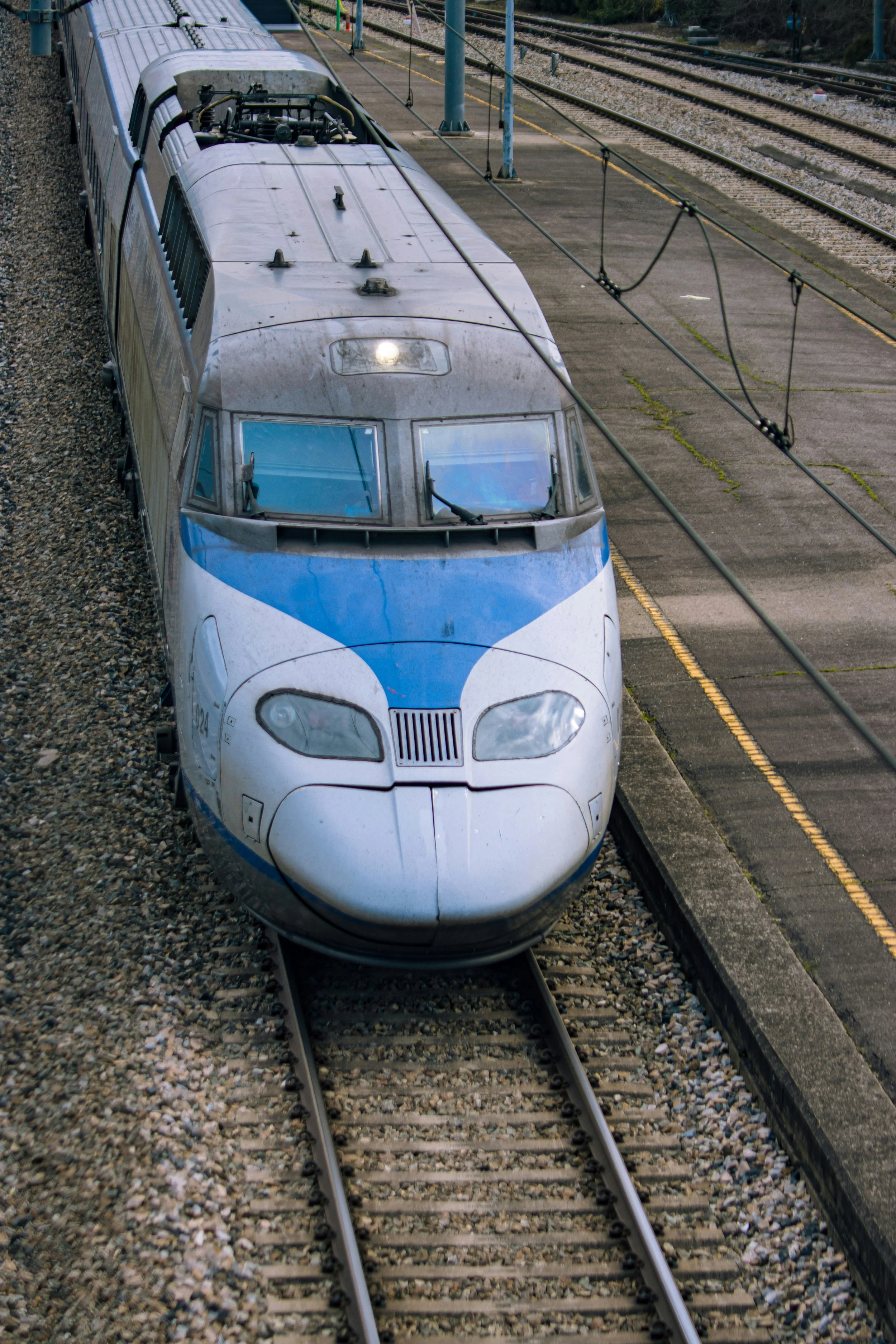
- KTX from Seoul: 2h15, arrives at Busan Station near Nampo-dong
- Don't rely on buses in peak season — they fill and skip stops
- Don't try to walk between districts — the hills are deceptive on a map
When to Visit Busan
May–June and September–October are the sweet spot — warm enough for the beach, thin enough on crowds that you can actually experience the city. July and August are hot, humid, and very crowded at Haeundae. Winter is mild by Korean standards and extremely uncrowded — genuinely underrated.
FAQ
Is Busan worth visiting from Seoul?
Yes, without question. The KTX takes around 2 hours 15 minutes from Seoul Station and the contrast — coast versus capital, hills versus flat grid — makes it feel like a completely different country. Two nights minimum, three is better.
Is Busan expensive for accommodation?
Less than Seoul for accommodation, comparable for food. Budget guesthouses start around ₩40,000–60,000 (~$30–45 USD). Mid-range hotels in Seomyeon run ₩80,000–130,000 (~$60–95 USD). Haeundae beachfront in peak season charges Seoul prices.
What is the best time to visit Busan?
May, June, September, and October for the best balance of weather and crowds. July–August for the full beach experience if you don't mind the crowds. Winter for budget travel and solitude.
How do I get from Seoul to Busan?
KTX bullet train from Seoul Station, 2h15 to Busan Station. Trains leave roughly every 20–30 minutes. Book on Korail or via the SRT app — individual tickets are inexpensive, no rail pass needed.
Do I need an eSIM for South Korea?
Yes — mobile data is essential for Kakao T, Naver Maps, and translation. We use Holafly eSIM for Korea (code STEPHANDPETE for 5% off). No physical SIM swap, activates before you land.
Is Gamcheon Culture Village worth visiting?
Yes, but go early. The colourful hillside alleys are genuinely lovely — but from 10am the tour groups arrive and it gets crowded fast. Get there by 8:30am and you'll have the lanes almost entirely to yourself.